
Small District, Big Oversight: How Winship-Robbins Elementary School District Manages a Large Charter School
If there is one misconception that Jenell Sherman and Darcy Belleza want to dispel, it is that small authorizers can’t be effective and efficient. Sherman is executive director, and Belleza is director of governance and accountability, at Feather River Charter School, a nonclassroom-based school authorized by Winship-Robbins Elementary School District in rural Sutter County.
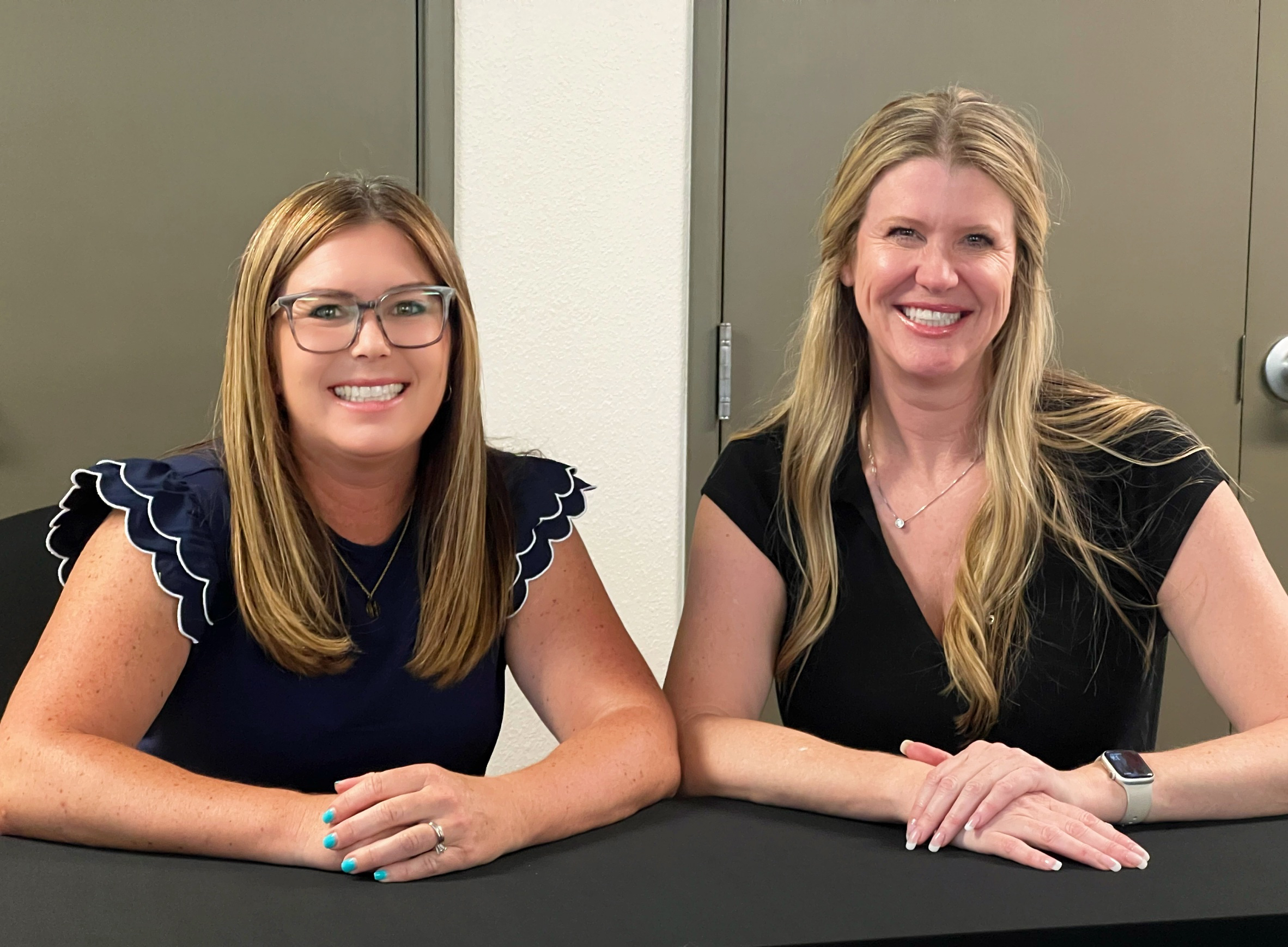
Jennell Sherman (left) is executive director of Feather River Charter School, and Darcy Belleza (right) is the director of governance and accountability.
“A small district authorizer offers unique advantages,” said Belleza. She noted that—perhaps counterintuitively—a small district can focus attention and resources on closely monitoring and supporting the charter.
Winship-Robbins is about as small a district gets. It has one school, Robbins Elementary, with 112 students. Feather River, by contrast, enrolls more than 2,700 students in transitional kindergarten through 12th grade. As the district’s only charter, Feather River has developed a close, trusting relationship with Winship-Robbins Superintendent Dawn Carl, who is also principal of Robbins Elementary.
“I can text her at any time, and she can do the same. We have regular check-ins, she attends board meetings, and if anything comes up, she sends a quick email,” said Belleza.
Sherman agreed, noting that just that morning Carl had sent her an email reminder regarding an upcoming deadline. “We appreciate that because there are a lot of things that swirl around, and we want to make sure everything’s done,” she said.
Carl holds Sherman and Belleza in equally high regard. “They’ve worked hard to build relationships, including with the Sutter County Superintendent of Schools. They have the same philosophy that I have about giving students as many opportunities as possible, no matter the circumstances,” she said.
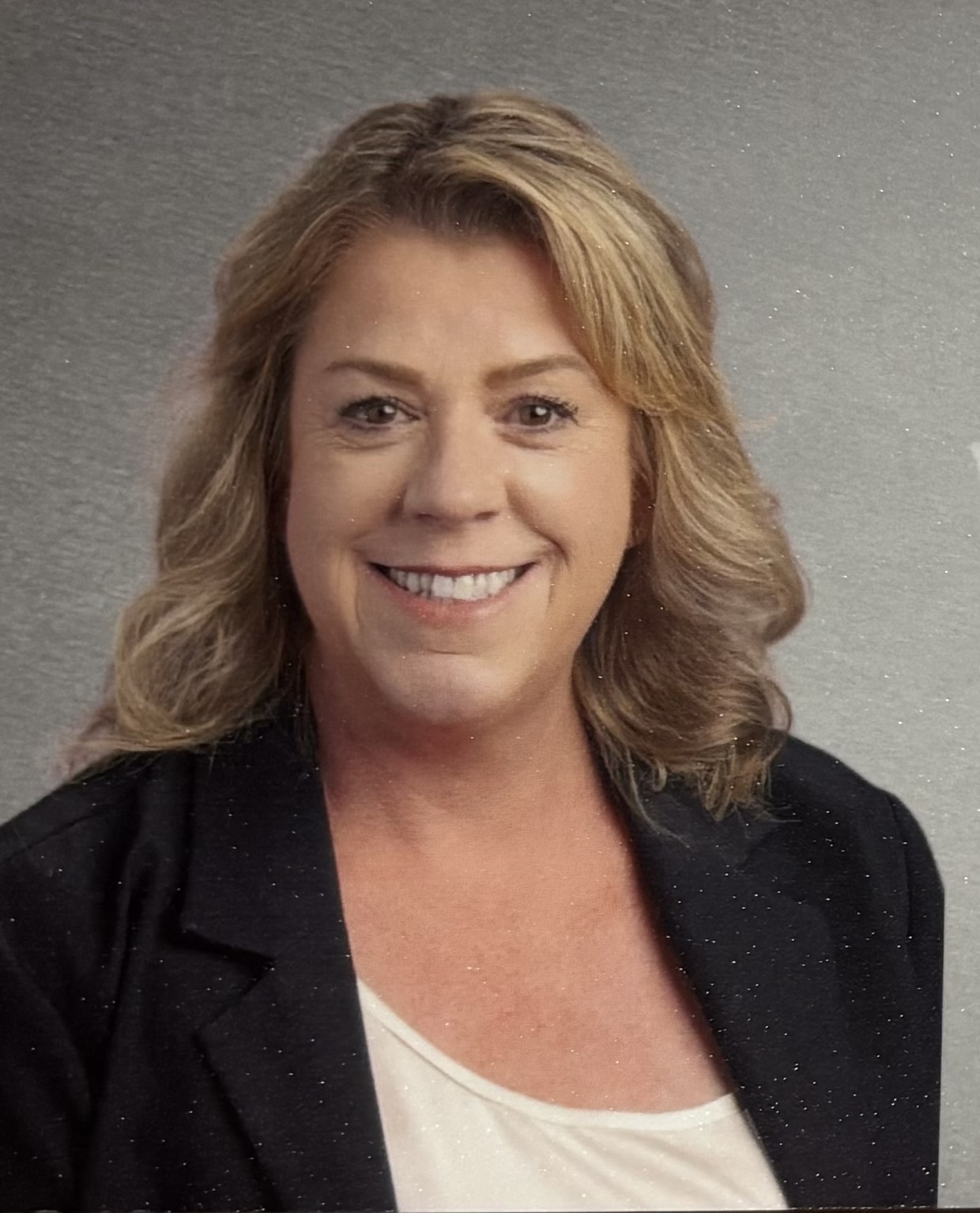
Dawn Carl, Superintendent Principal, Winship-Robbins Elementary School District
Families choose Feather River for any number of reasons, according to Carl. Some students have health issues or religious considerations; others are child actors or athletes who require flexible schedules; and still others just didn’t thrive in classroom-based school settings.
A Rocky Start
The close working relationship wasn’t always the norm. When Carl became superintendent seven years ago, the district had two charters: Winship Community School and Inspire–North, part of the Inspire Charter Schools network.
Inspire enrolled more than 35,000 students in classroom-based and home-based programs across the state until the schools in its system voted no-confidence in Inspire’s founder amid allegations of financial fraud. The eight county superintendents with Inspire schools in their regions requested an audit by the Fiscal Crisis & Management Assistance Team (FCMAT).
Carl supported the inquiry, which resulted in Inspire’s founder resigning and being ordered to repay more than a million dollars in payroll advances he had taken. Winship Community School closed, and Inspire–North rebranded as Feather River and joined with two other charters authorized by different districts to form the Sequoia Grove Charter Alliance.
Each charter school still is independent and has its own board of directors, but through Sequoia Grove they share some administrative costs and resources, including library services, tech support, and payroll.
Feather River School Board President Patricia Van Ruiten was teaching at Robbins Elementary at the time and remembers attending school board meetings and being skeptical of having the school attached to the district. “We wanted it to be successful, but we wanted them to do the right thing,” said Van Ruiten. Bringing Carl into the district helped turn things around, she added.
Systems of Checks and Balances
Carl established regular monitoring, reporting, and transparency. She hired a trusted retired superintendent to help with oversight.
The district already had a contract with Epicenter, a nonprofit organization offering an online platform for managing charter school oversight. Carl said she learned techniques to enhance Epicenter applications a few years ago while attending the CCAP’s annual California Charter School Authorizers Conference.
Feather River now uploads all required documentation by their due dates for district administrators. This includes monthly financial reports, enrollment records, special education and English learner plans, parent notifications, and health screenings. “We completed this year’s annual oversight report and it contains almost 900 pages of supporting documentation,” Carl added.
The school’s governing board, as well as the public, also can access some important information online that way, too.
The district also conducts random checks of students and teachers to ensure paperwork, coursework, and professional development plans are current.
“If I question anything, I get immediate responses back with documentation,” said Carl.
Van Ruiten agrees that since these systems of checks and balances were put in place, “everything has been very forthcoming. They’ve upped their game and are doing a great job in all avenues of education.”
Carl also relies on CCAP and the Charter Authorizer Support Initiative (CASI) of the California Department of Education for ongoing support, including monthly online meetings and quarterly trainings for authorizers that keep her up to date on regulations, provide a forum to discuss hot topics and common issues, and connect her with other authorizers.
Balancing Autonomy and Oversight
Carl is also mindful that the shadow of Inspire and other charter school fraud cases hangs over nonclassroom-based schools authorized by small districts. Feather River has avoided the pitfalls that prompted Assembly Bill 84.
That bill would have placed a cap on enrollment in nonclassroom-based charter schools authorized by small school districts. That became one of the points of contention between charter advocates and public employee unions. When the legislative session ended on September 14, legislators instead passed an alternate measure, Senate Bill 414. That bill now awaits Governor’s decision by October 13, 2025, as to his signature or veto, while the sponsor of AB 84, Assembly Education Committee Chair Al Muratsuchi, said he would bring the bill back for another try in the 2026 session
Carl said that the fraud cases usually involved one or two individuals who started a charter school and wielded all the power. Feather River operates differently: the leadership team, school district board, and county superintendent work collaboratively, with oversight shared across multiple stakeholders to focus on educating students.
“It doesn’t matter how big or how small you are. It’s how capable you are—and how accountable you are,” said Carl.
